

A Postcard From 1978
Finding meaning in the ordinary moments we share

I spent the last week of April cleaning out Mom’s house, readying it for the new owners to move in. I’d already done a major round of cleaning, but there were still a few rooms filled with the harder things to sort through: boxes of family photos, high school and work memorabilia, and bits of this-and-that she’d found important enough to save over the years.
I pulled an old shoebox down from a high shelf, its corners reinforced with masking tape and the lid coated in years of dust. A musty scent, like an old basement, rose as I opened it. Inside was a stack of postcards. Judging from the artwork on the front, they were old. I turned one over and saw my grandmother’s signature at the bottom. She had written to my mother while visiting the Grand Canyon, not about anything particularly important. In neat, old-fashioned cursive, she described the weather, what they’d eaten that day, and the sights they had seen.
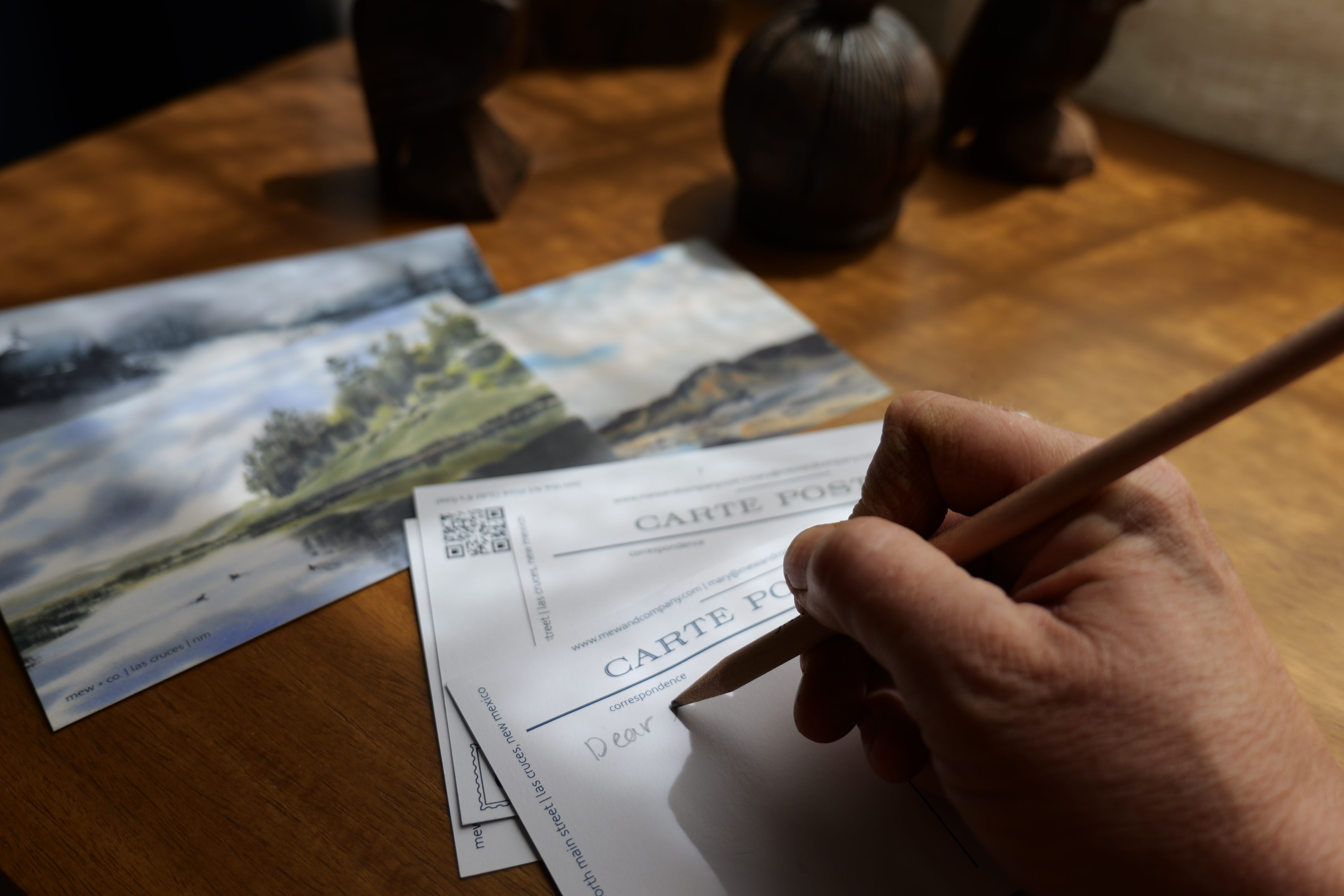
What a different practice from what is common for us today: spending time on vacation choosing a postcard, sitting down to write a short message, and going to the post office to mail it to someone you love. Sure, we send quick texts and emails now, but they cost us little more than a few seconds of our attention. A postcard feels different—more intentional. It’s a small act of saying, “I thought of you while I was away and wanted to share this with you.”
I know life is different these days—busier, more stressful, and more technologically advanced. But I found myself wondering: How would it feel to open my mailbox and find a handwritten card from someone who took the time to send it? And what would I want someone else to feel if I sent one to them?
The neatly written words on that dusty postcard from 1978 meant something to my mother; enough that she carefully tucked it away and kept it safe for nearly fifty years. I think my grandmother’s gesture made her feel remembered, included, and loved. And I think a note sent today, whether short or long, would still carry the very same message.
Why am I writing about this?
Because I think the sharing and writing that happens here on Substack is a little like the old practice of sending letters and postcards. It’s the deliberate act of sitting down to share moments that matter. I may be writing about the wonders and woes of growing tomatoes in the desert, while you may be writing about a new city you’re visiting or a small moment from your own ordinary life. These little messages offer glimpses into our days and give us the opportunity to share them with one another.
This small reminder from the past confirmed something I’ve been thinking about for a while: the meaning is often found in the little details that don’t seem important at all. I’ve often wondered whether anyone really cares about the longhorn bee visiting my cosmos all week, or the ravens that hold their morning meetings atop the old cypress trees in the garden, or the fact that I preserved sixty-five pounds of peaches in my little kitchen. But I think people do care. I know I care about the stories you share from your own lives, and I love sharing mine, too.
So I’m going to keep writing this little desert diary about the things that feel meaningful to me. And I’m going to keep reading the things you choose to share as well. Because those ordinary moments that seem like nothing are actually quite something indeed.
They are what knit us together in this shared human experience.
I should begin my posts with “Dear Friend” and end them with “Until next time,” because that would make them feel even more like a letter or postcard from my little neck of the woods to yours.
So until next time,
Love,
I'm the lucky beneficiary of a post card writing, international friend who sends them whenever he travels. Over the years I've collected so many, they fill the pages of a journal I bought to store them. It's a delight every time I find one in the mailbox.